Prince Estabrook: A Black Patriot’s Journey Through the American Revolution
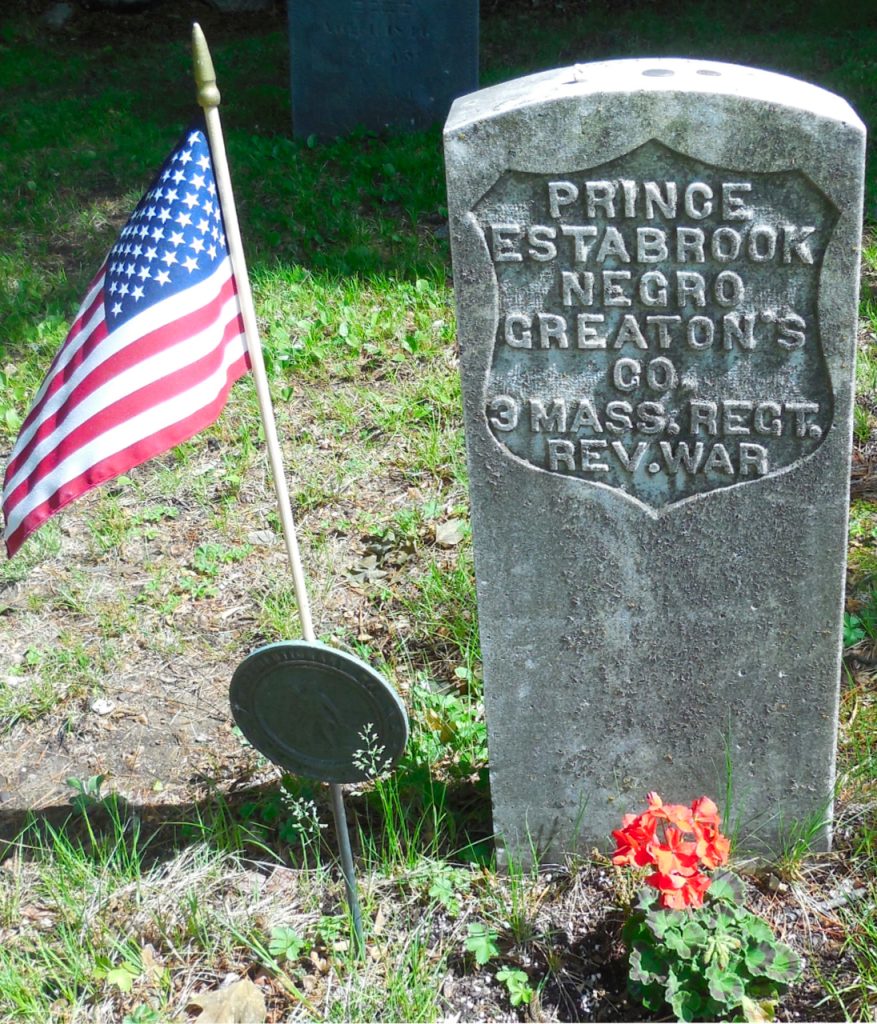
Nestled in Ashby, Massachusetts, lies the grave of Prince Estabrook, an extraordinary Black Patriot whose life embodies the complex experience of Black Americans during the birth of the United States. His story is a testament to courage, sacrifice, and the unwavering hope for a more just future.
Early Life and the Call to Arms
Born around 1741, Prince Estabrook was likely enslaved by the Estabrook family in Lexington, Massachusetts. Despite his enslaved status, he joined the Lexington Minutemen as early as 1773. On the pivotal morning of April 19, 1775, Prince Estabrook was among the very first to confront British forces on Lexington Green, becoming one of the first Americans to shed blood in the long war for independence. He was injured in this foundational battle, a powerful symbol of Black Americans’ immediate involvement in the fight for freedom.
Service Throughout the War
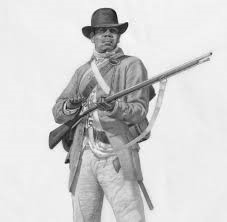
Prince’s dedication to the cause continued throughout the American Revolution. He served with the Lexington militia during the Siege of Boston in 1775, at Ticonderoga in 1776, and guarded prisoners of war in Cambridge from 1777-1778. During this time, his pay was often directed to his enslaver, Benjamin Estabrook, highlighting the painful contradiction of fighting for liberty while still being denied one’s own.
From 1780 to 1783, Prince further committed to the fight by enrolling in the Continental Army as a member of the 3rd Massachusetts Regiment. He likely reinforced American positions in the lower Hudson River region until the regiment was disbanded at the war’s end.
Freedom and Later Life
After the war, Prince Estabrook returned to Lexington. He gained his freedom, likely as a direct result of his military service or the abolition of slavery in Massachusetts during the early 1780s. He continued to live with the Estabrook family, working as a laborer. In 1805, following Benjamin Estabrook’s death, Prince moved to Ashby, Massachusetts, to live with Benjamin’s son, Nathan. He reportedly lived on New Ipswich Road. Prince Estabrook passed away in 1830 and was laid to rest in the graveyard of the Ashby First Parish, where his grave stands today in the rear left (northwest) part of the grounds.
Contradiction & Choice: The Black Experience in the Revolution
The American Revolution, a fight for liberty and independence from British rule, presented a profound paradox: many of its leaders also upheld the institution of slavery. Yet, amidst this glaring contradiction, thousands of Black Americans, both enslaved and free, chose to take up arms. Why did they fight for a nation that denied them their own freedom?
Their motivations were complex, often rooted in a powerful hope for a better future. They sought not just American independence, but personal liberation, recognition, and the promise of a truly free society. They believed in the revolutionary ideals, extending them beyond the privileged few to embrace all humanity.
Fighting for Freedom & Future
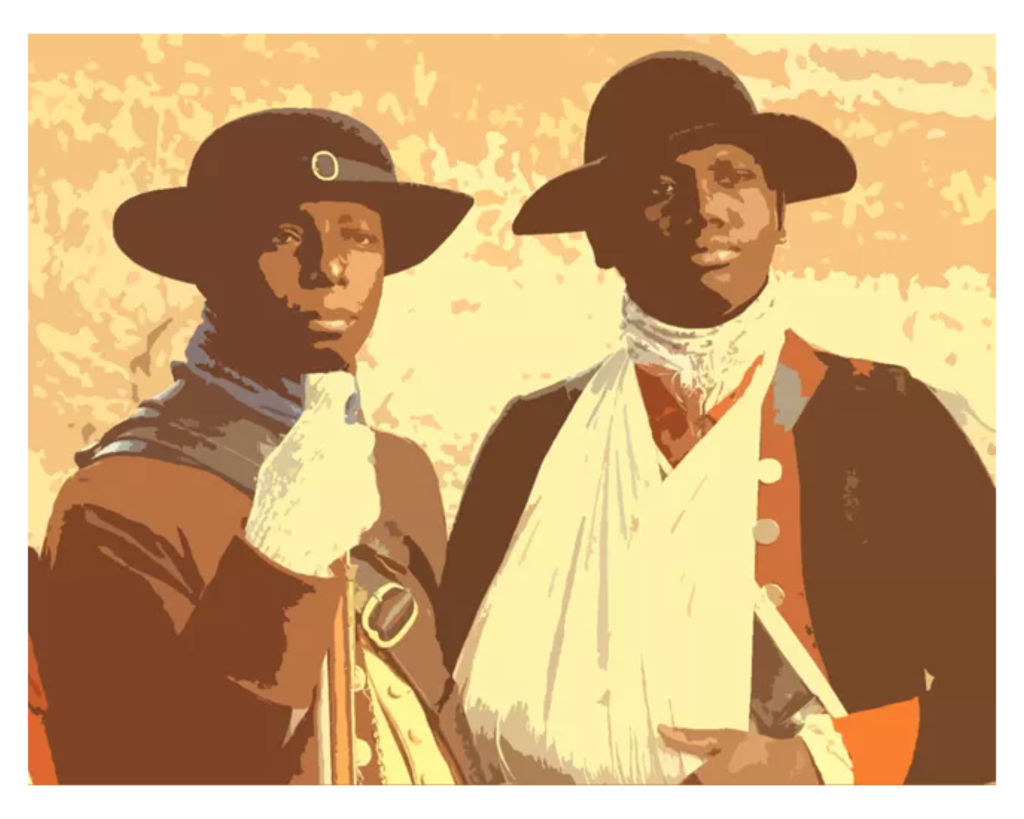
From the earliest battles, Black Patriots stood on the front lines. Individuals like Prince Estabrook, wounded at Lexington, and heroes such as Peter Salem and Barzillai Lew, who bravely fought at Bunker Hill, demonstrated their unwavering commitment to the cause. Though initially hesitant, General George Washington eventually welcomed Black soldiers, recognizing their vital role in securing victory. Some, like John Laurens, even championed the idea of raising dedicated Black regiments.
For many, military service offered a tangible path toward freedom, land, and the dignity denied to them by slavery. Their bravery was extraordinary, as abolitionist Harriet Beecher Stowe eloquently noted: “Bravery under such circumstances has a particular beauty and merit.”
About the Coins
You may notice coins on Prince Estabrook’s tombstone. Please do not disturb them. This custom of leaving coins with the deceased can be traced back to the Roman Empire. The practice gained popularity in the U.S. during the Vietnam War as a quiet way to honor service members. Each type of coin carries a different meaning, but all signify respect and remembrance for the fallen.
Bringing Prince Estabrook’s Story to Light
The roots of the American Revolution lie in the Colonies’ desire for representation and freedom. Within that context, individuals had to make profound decisions that would affect their lives forever. The story of Prince Estabrook sheds light on the contradictions and choices that both individuals and the nascent nation faced.
A dedicated group of citizens is working to ensure Prince Estabrook’s story is widely known. They are proposing to install a low-profile interpretive sign just outside the cemetery grounds. This sign will focus on Prince Estabrook’s life and the complex choices and contradictions faced by individuals and the burgeoning nation during this transformative period in American history. It’s a vital step in educating a diverse audience about the full scope of the American Revolution and the invaluable contributions of Black Patriots.
Would you be interested in learning more about how you can support the installation of the interpretive sign?